Dietary intake assessment at the population level is essential for developing evidence-based nutrition guidelines, monitoring diet quality, and identifying opportunities to improve public health. Understanding what Canadians eat, where foods are consumed, and which foods contribute most to nutrients of concern can help inform targeted strategies to reduce chronic disease risk and support healthier dietary patterns.
Our Research Goals
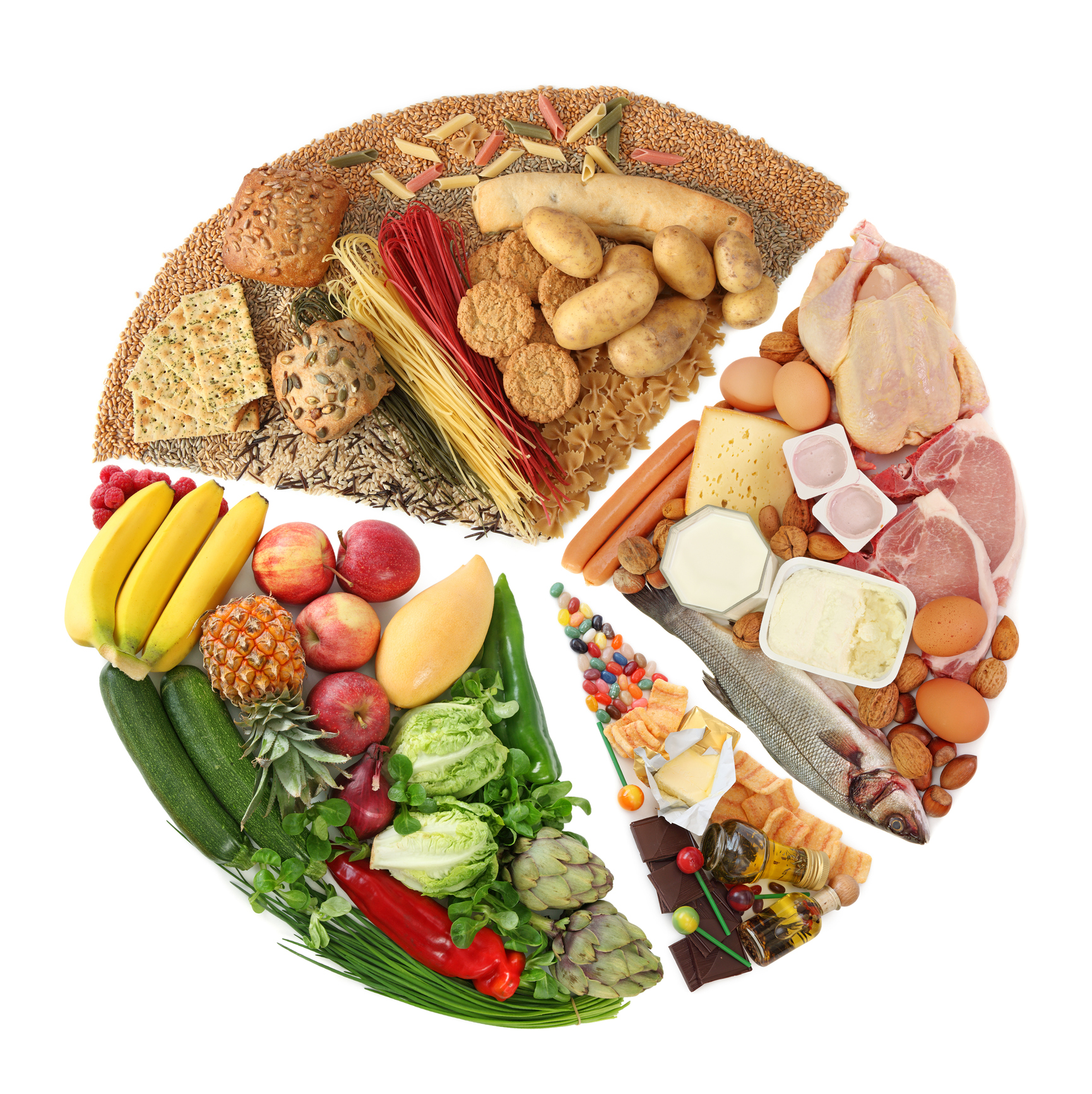 The overarching goal of dietary intakes research at the L’Abbé Lab is to better understand the current state of dietary intake and diet quality among different population groups in Canada. Our work examines dietary patterns, food sources of energy and nutrients, alignment with dietary guidance, and the potential health impacts of dietary changes and nutrition policies.
Findings from this research support policymakers, public health organizations, and the academic sector by providing evidence on Canadians’ dietary intakes, diet quality, and population-level opportunities to reduce risk factors for chronic diseases such as cardiovascular disease, type 2 diabetes, and obesity.
Recent Studies
The L’Abbé Lab has conducted studies using national nutrition survey data, food frequency questionnaires, school food intake data, and dietary modelling approaches to assess the diets of Canadians and evaluate the potential impacts of nutrition policies.
Recent work has examined children’s energy and nutrient intakes at school, the development and application of a Food Choices Assessment Score based on the 2019 Canada’s Food Guide, associations between dietary choices and cardiovascular disease risk, Canadian sodium and free sugar intakes, diet quality among Canadian adults, and the health impacts of meeting recommended sodium and free sugar intake levels.
Selected Publications
- Top food sources of children’s energy and nutrient intakes at school
Ziraldo ER, Wedekind E, Ahmed M, Sellen DW, L’Abbé MR. PLOS ONE. 2026;21(1). - Canada’s Food Guide food choices score and cardiovascular disease risk
Hamamji S, Zaltz D, L’Abbé MR. PLOS ONE. 2025;20(10). - Nutrient intakes of Canadian children and adolescents at school
Ziraldo E, Ahmed M, Mulligan C, Sellen D, L’Abbé M. Applied Physiology, Nutrition, and Metabolism. 2025;50:1-12. - Developing a Food Choices Assessment Score based on Canada’s Food Guide
Hamamji S, Ahmed M, Zaltz D, L’Abbé MR. Applied Physiology, Nutrition, and Metabolism. 2025. - Front-of-pack labelling regulations and Canadian dietary intakes
Lee JJ, Mulligan C, Ahmed M, L’Abbé MR. Public Health Nutrition. 2024;27(1). - Canadian free sugar intakes and reformulation modelling
Bernstein JT, Christoforou AK, Ng AP, Weippert M, Mulligan C, Flexner N, L’Abbé MR. Foods. 2023;12(9):1771. - Estimated sodium intakes and health impacts of sodium reduction in Canada
Flexner N, Christoforou AK, Bernstein JT, Ng AP, Yang Y, Fernandes Nilson EA, Labonté MÈ, L’Abbé MR. PLOS ONE. 2023;18(5). - Dietary patterns and obesity in Canadian national nutrition surveys
Ng AP, Jessri M, L’Abbé MR. Public Health Nutrition. 2023. - Diet-related disease deaths that could be delayed or averted by reducing free sugars
Flexner N, Bernstein JT, Weippert MV, Labonté MÈ, Christoforou AK, Ng AP, L’Abbé MR. Nutrients. 2023;15(8):1835. - Top sodium food sources in the American diet
Ahmed M, Ng AP, Christoforou A, Mulligan C, L’Abbé MR. Nutrients. 2023;15(4):831.
Additional publications from the L’Abbé Lab can be found on our Publications page by filtering topics for “Dietary Intakes.”